
Diamond Education
The Kalika Diamond Guide
Everything a jeweler looks at before choosing a stone: the 4Cs, shapes, fluorescence, grading reports and the difference between natural and lab-grown, explained simply.
The basics
The 4Cs of Diamond Quality
The universal language of diamond grading, set by the GIA
Every diamond is graded on four characteristics: cut, colour, clarity and carat. Cut has the greatest effect on beauty, because it decides how much light comes back to your eye. Carat is simply weight. Colour and clarity are where you can trade a little rarity for a lot of value.
Build Your Diamond
Select your preferences to see an estimated price range
Shape
Carat Weight
1.00 ctColor
Clarity
Estimated Price Range
₹18,360 – ₹24,840
1.00 ct · Round · G color · VS1 clarity
Prices are indicative estimates only. Actual prices may vary.
01 · Cut
Cut Grade
The most important factor in a diamond's sparkle
Cut is not the shape. It is how well the facets are angled and proportioned to catch light and send it back through the top. The same rough stone can look lively or lifeless depending on how it is cut.
Kalika advice
Choose Excellent or Very Good cut first, then balance colour and clarity. A well-cut stone of lower colour often looks better than a poorly cut stone of higher colour.
02 · Colour
Colour Grade
From D (colourless) to Z (light yellow)
Colour is graded by how little colour a diamond has, comparing it face-down with master stones. The less colour, the rarer the stone. The differences between neighbouring grades are subtle and rarely visible once set.
Kalika advice
G or H gives the best balance of whiteness and value. In white gold or platinum stay within D–H; in yellow or rose gold, I–K can look warm and beautiful.
03 · Clarity
Clarity Grade
Natural inclusions and blemishes, seen under 10× magnification
Almost every diamond carries tiny natural marks from its formation. Graders look at their number, size, colour and position under a 10× loupe. Below, the grades as they would roughly appear under the loupe.
Kalika advice
VS1–VS2 is eye-clean at a fair price. In round brilliants, a carefully chosen SI1 can be too; ask us for photos and the report before you decide.
04 · Carat
Carat Weight
The weight of a diamond, not its size
One carat is 0.2 grams. How big a stone looks depends on its cut and shape as well as its weight. Prices rise steeply at round numbers: a 2 ct stone costs far more than two 1 ct stones. Round brilliants at true relative size:
Kalika advice
Look just below the round numbers: 0.90 ct, 1.40 ct or 1.90 ct look almost identical to 1, 1.5 and 2 ct, for noticeably less.
05 · Shapes
Diamond Shapes
The outline of the stone seen from above
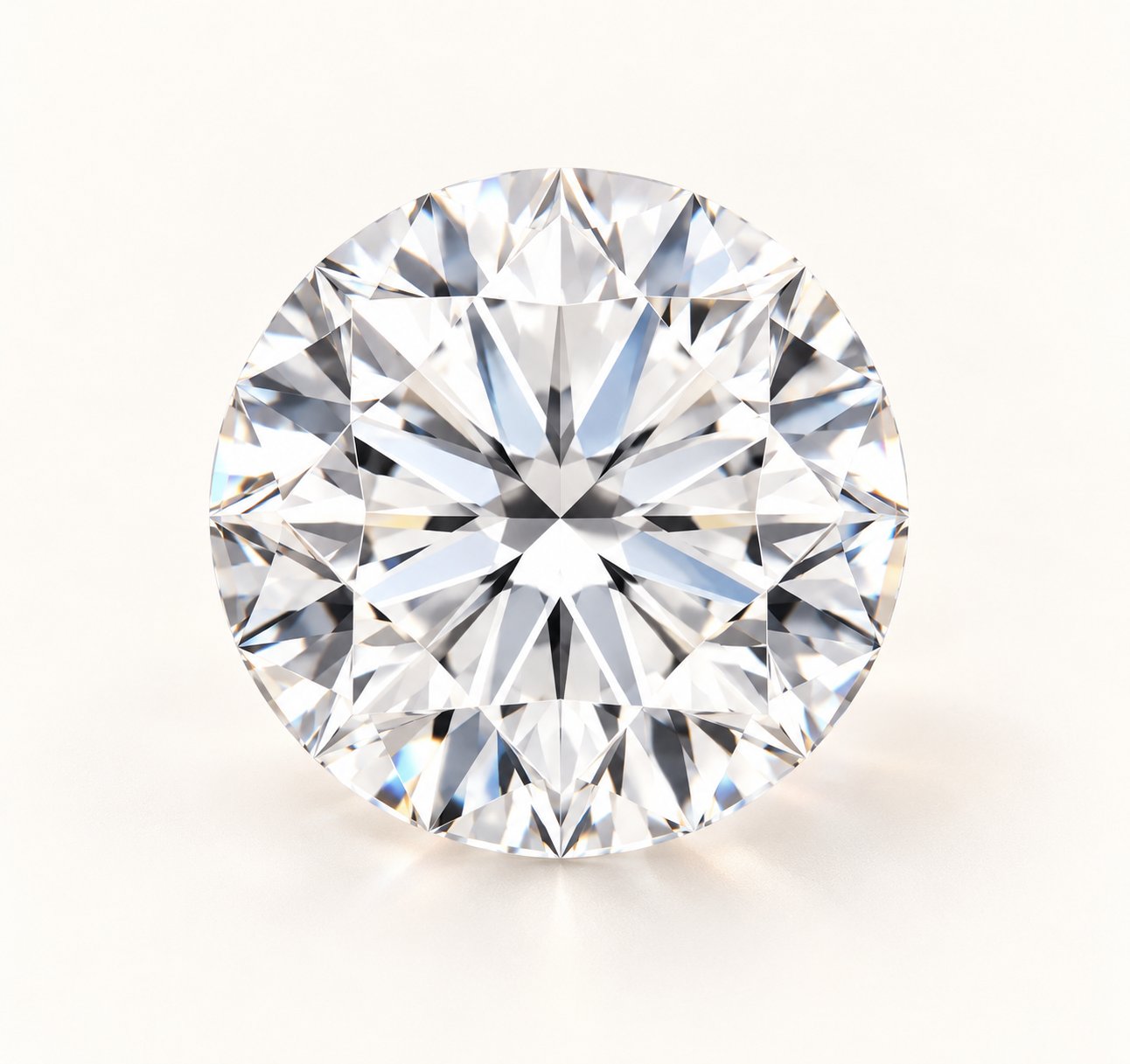 RoundThe most brilliant cut and the classic choice for solitaires.
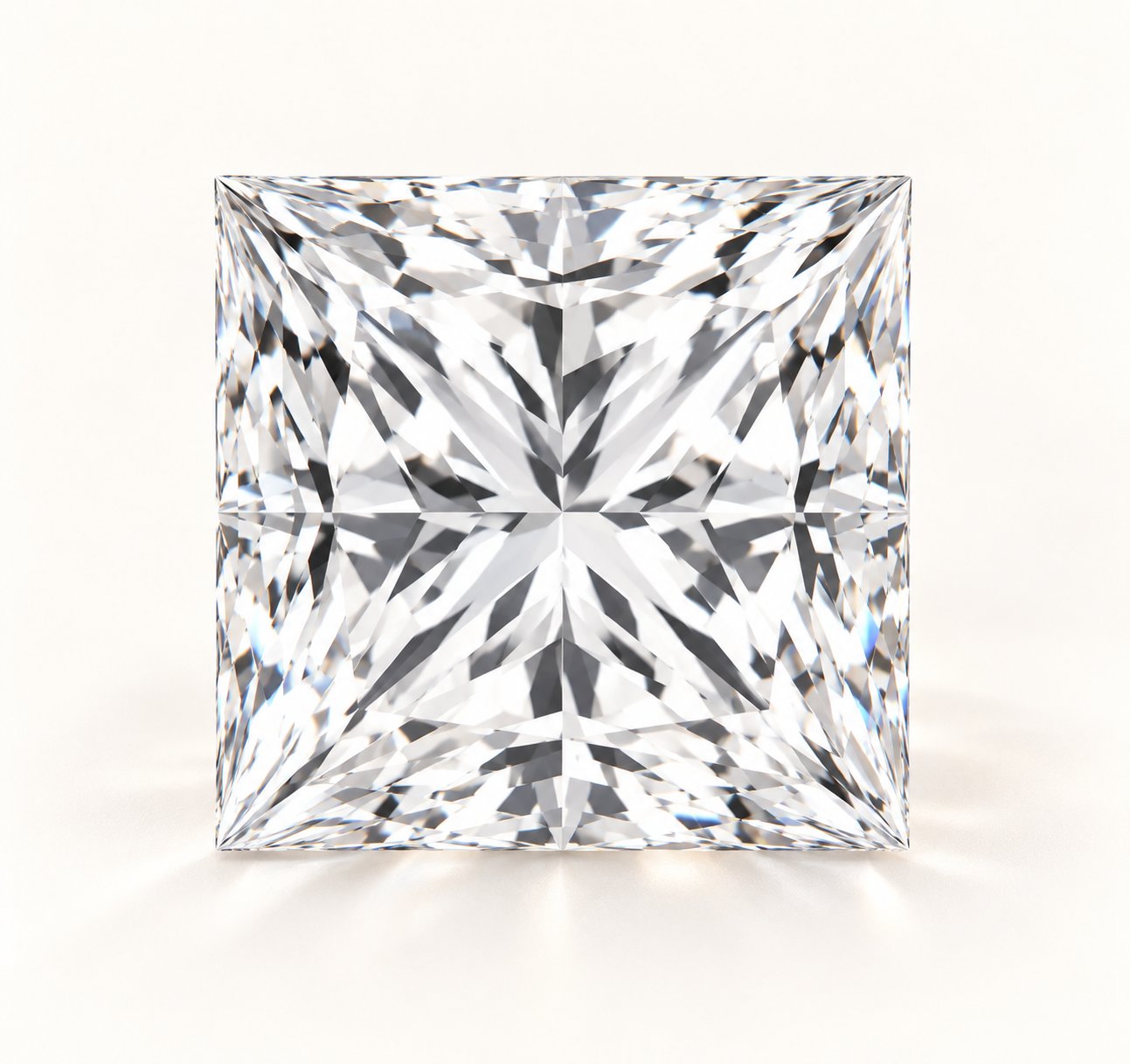 PrincessCrisp square corners with the sparkle of a brilliant.
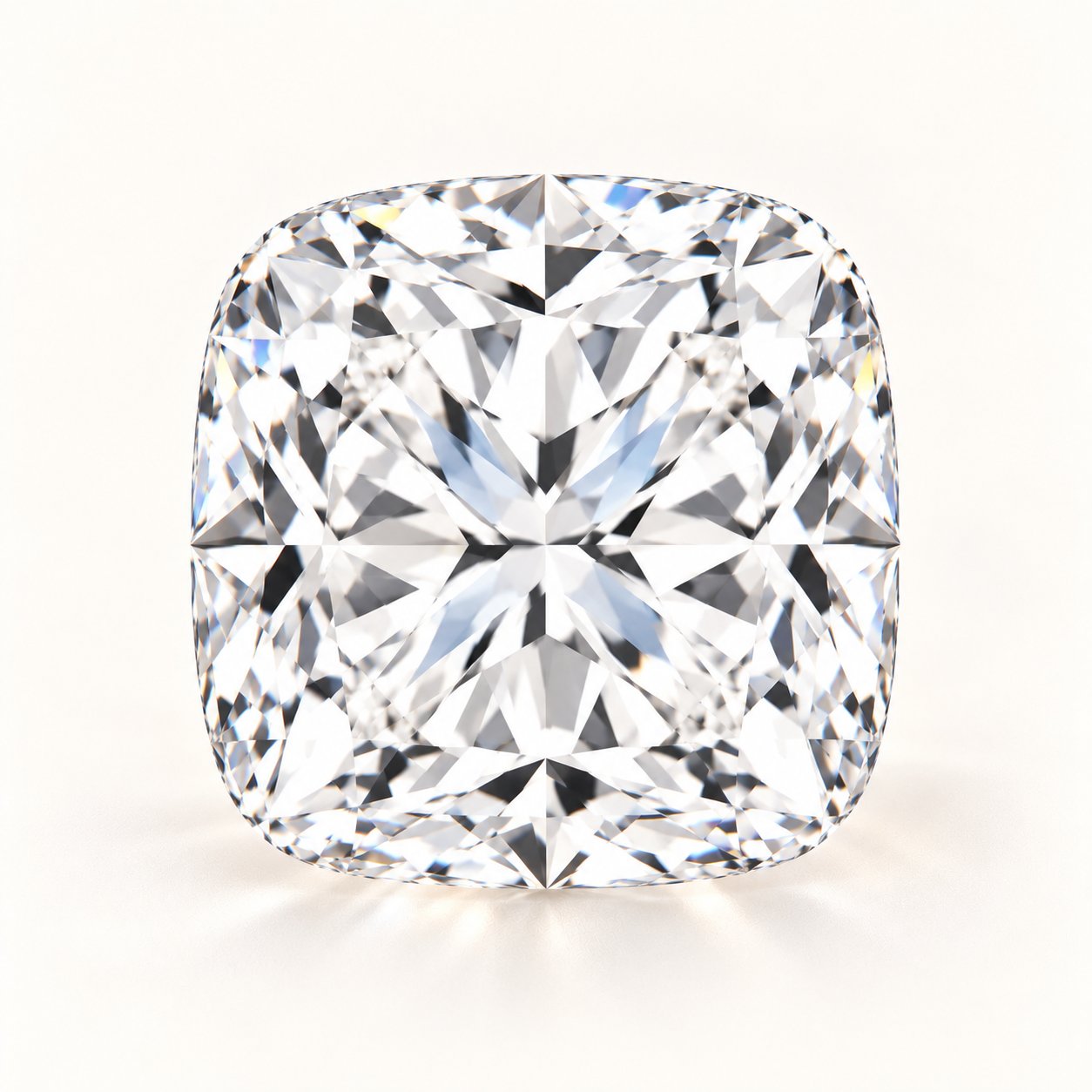 CushionSoft, pillow-like corners with a romantic, vintage glow.
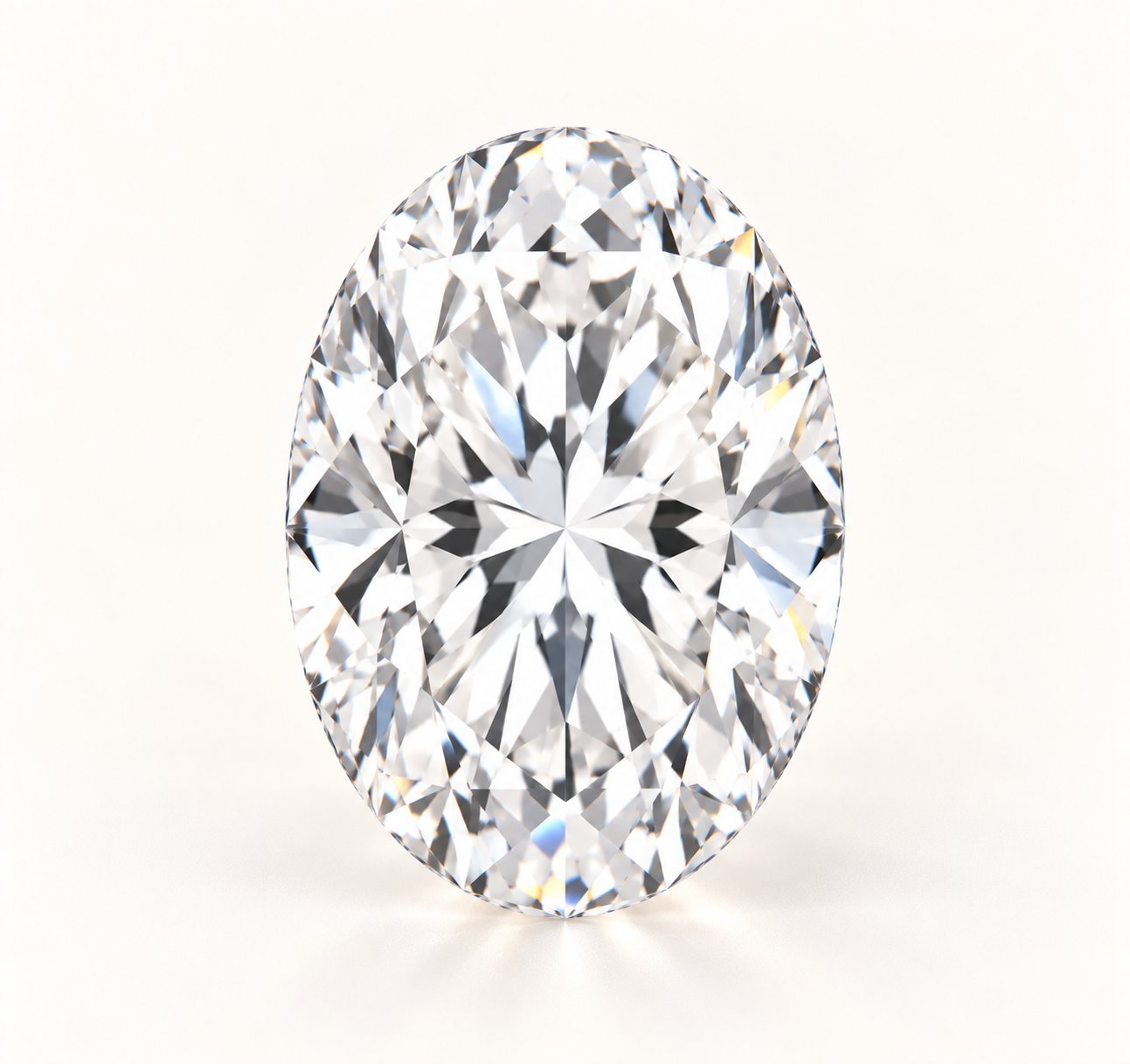 OvalElongates the finger and looks larger for its weight.
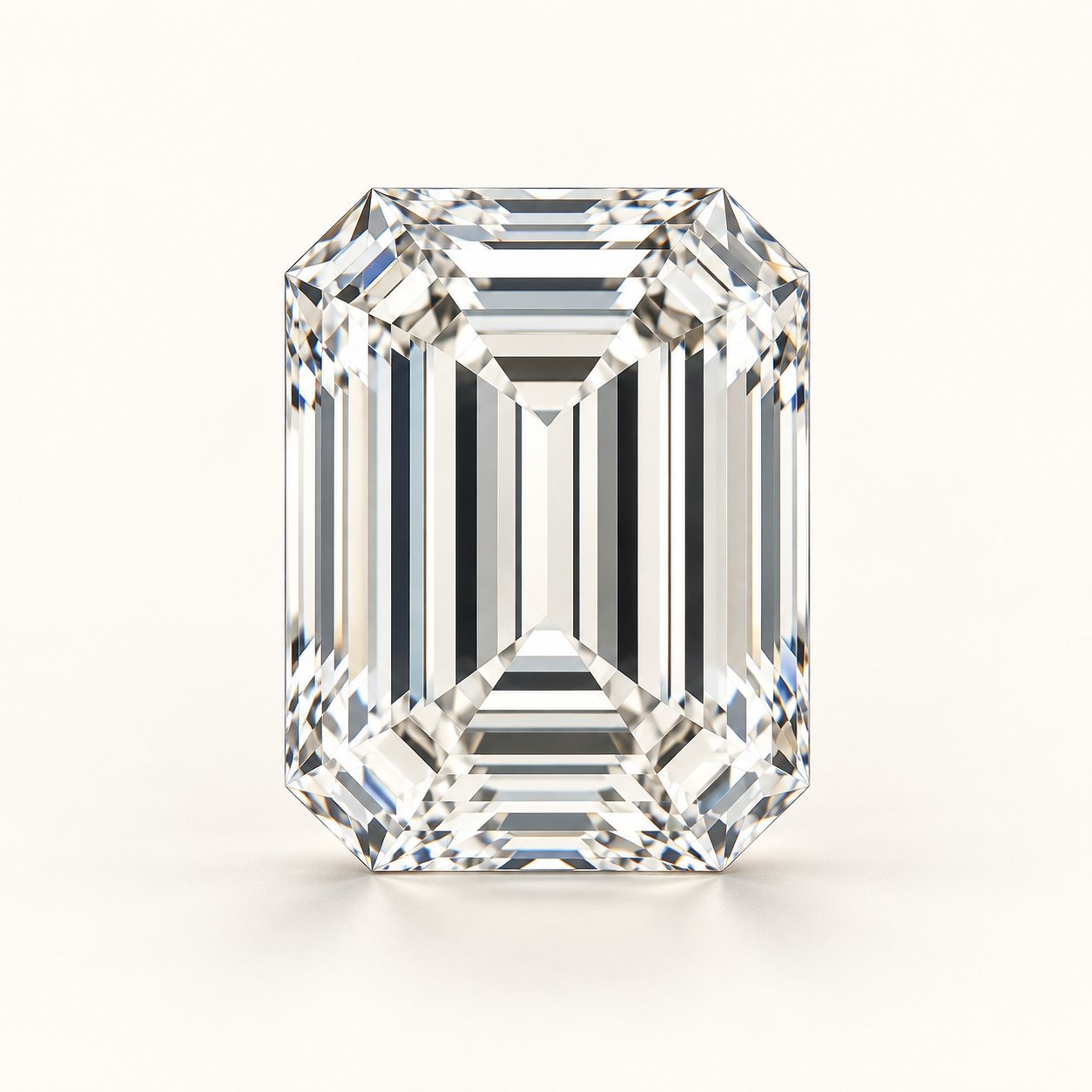 EmeraldA step cut with long, mirror-like flashes of light.
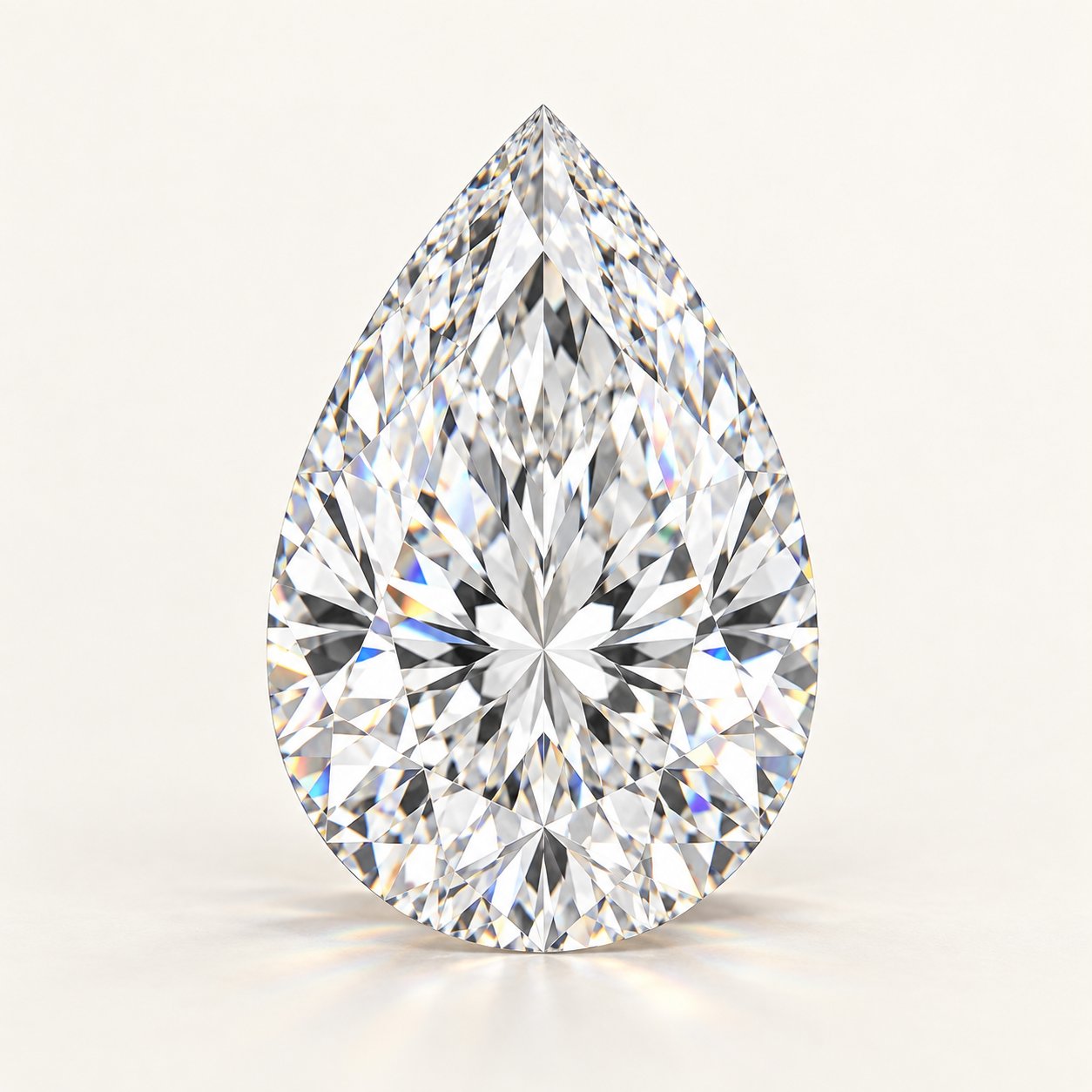 PearA teardrop that flatters the hand, worn point up or down.
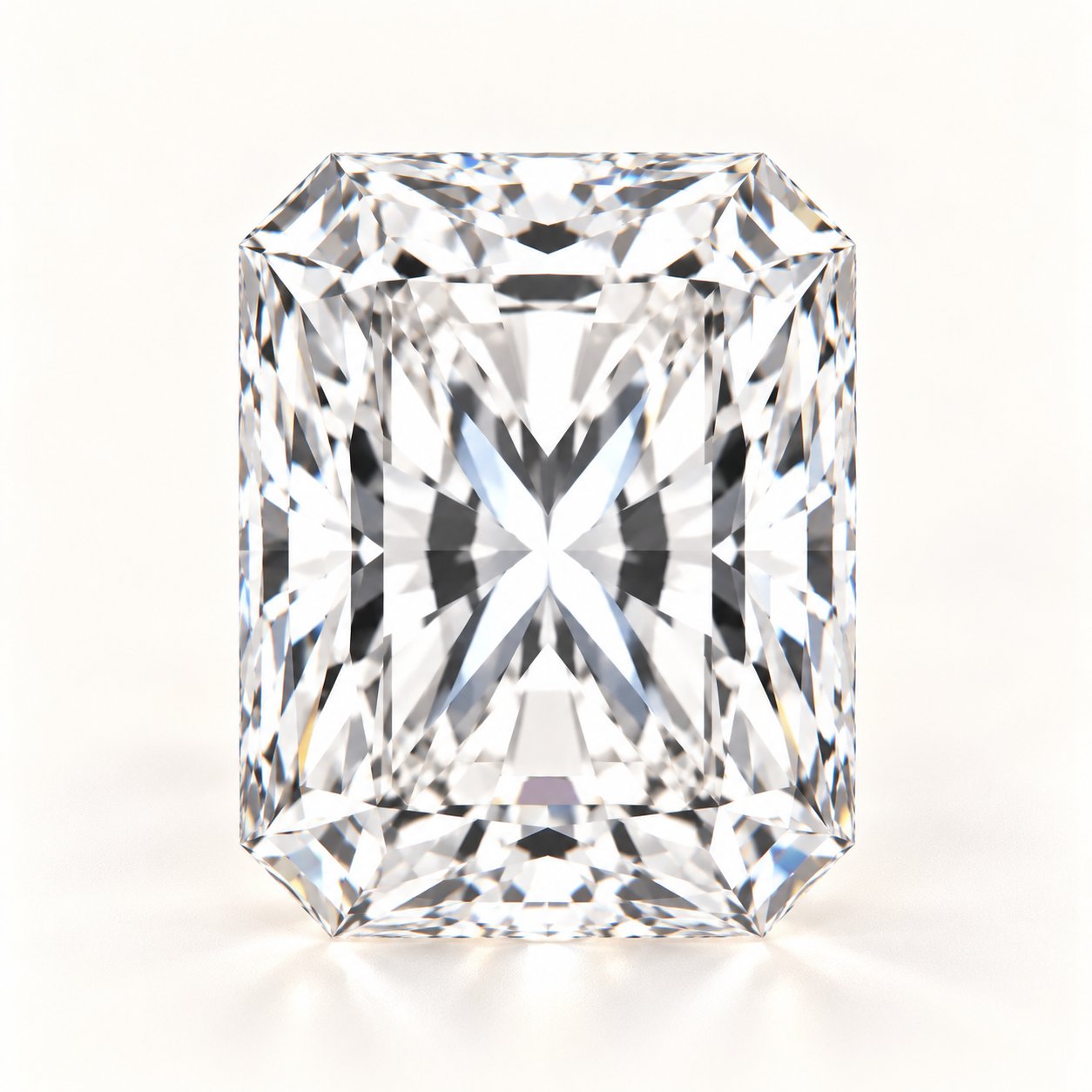 RadiantCut corners with brilliant faceting, lively and modern.
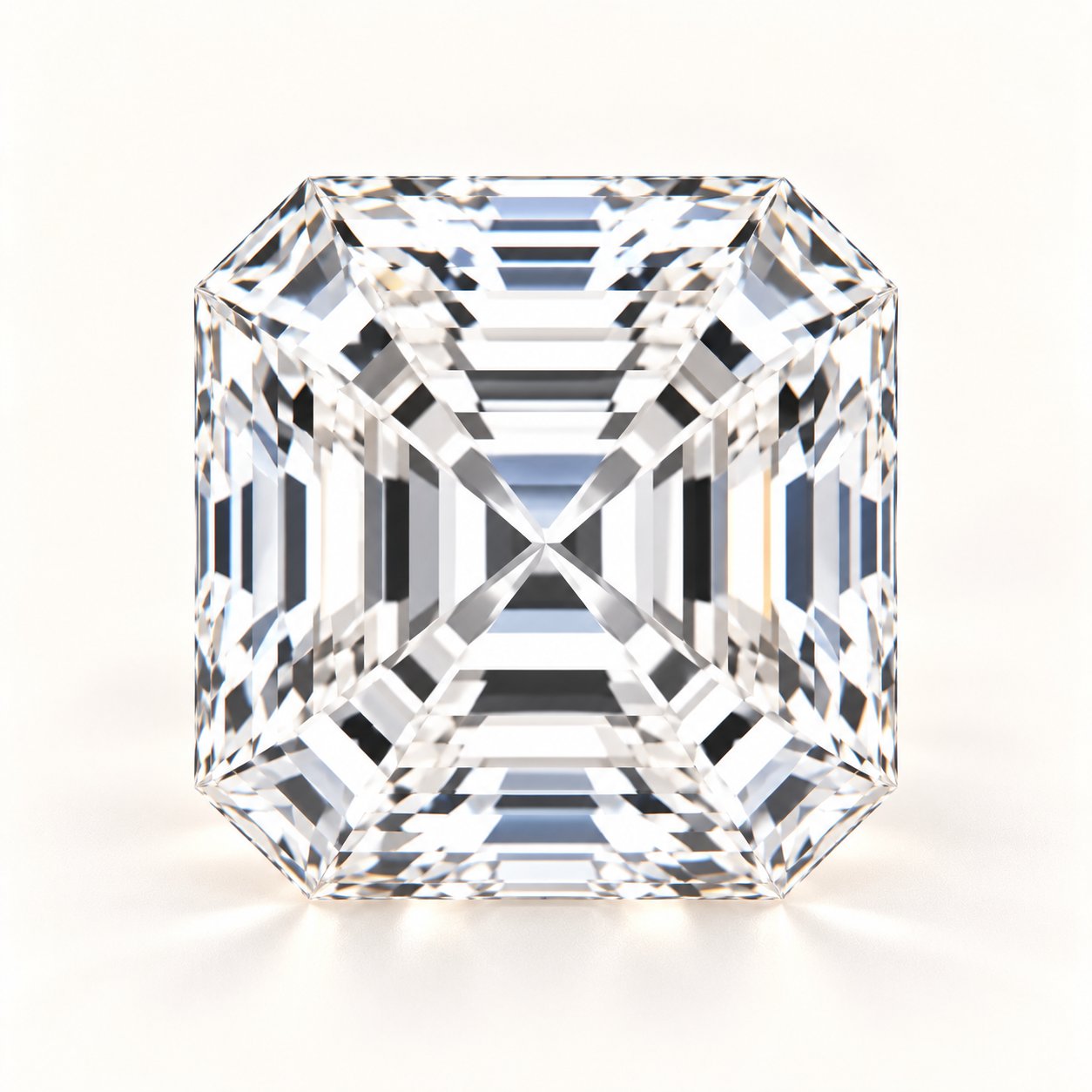 AsscherA square step cut with an Art Deco, windmill pattern.
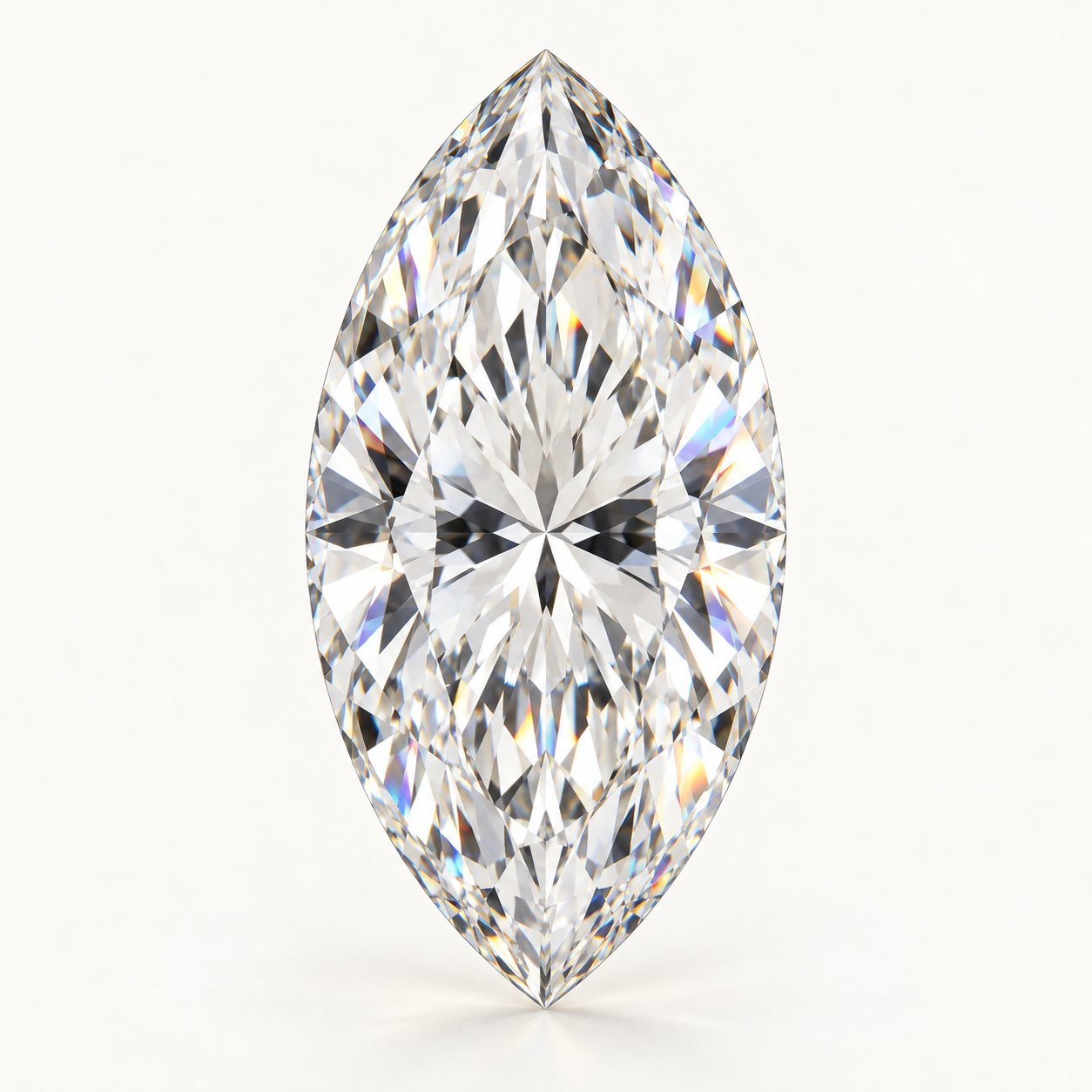 MarquiseA long, boat-like outline with the most spread for its weight.
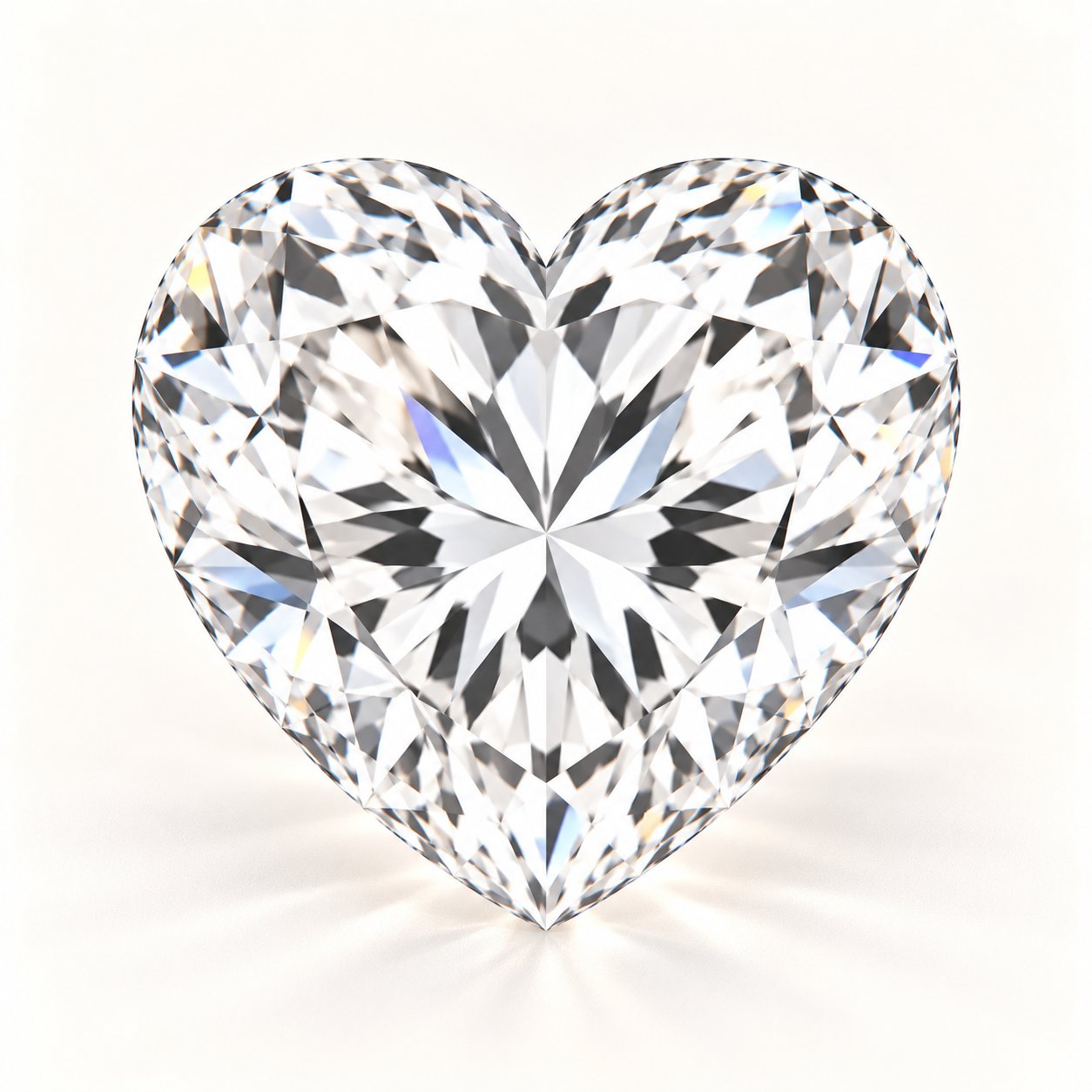 HeartThe symbol of love; needs a skilled cutter for a clear outline.
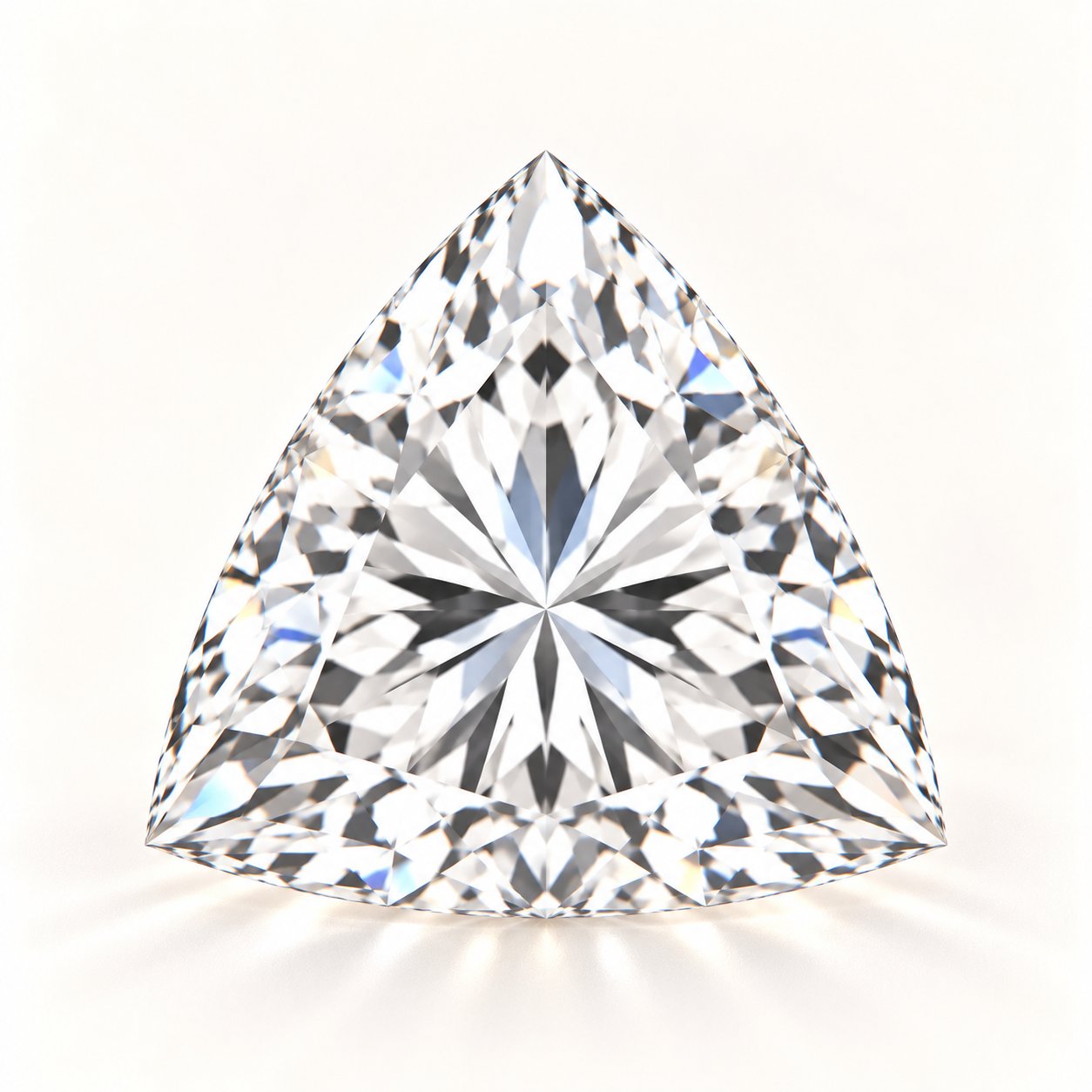 Trillion
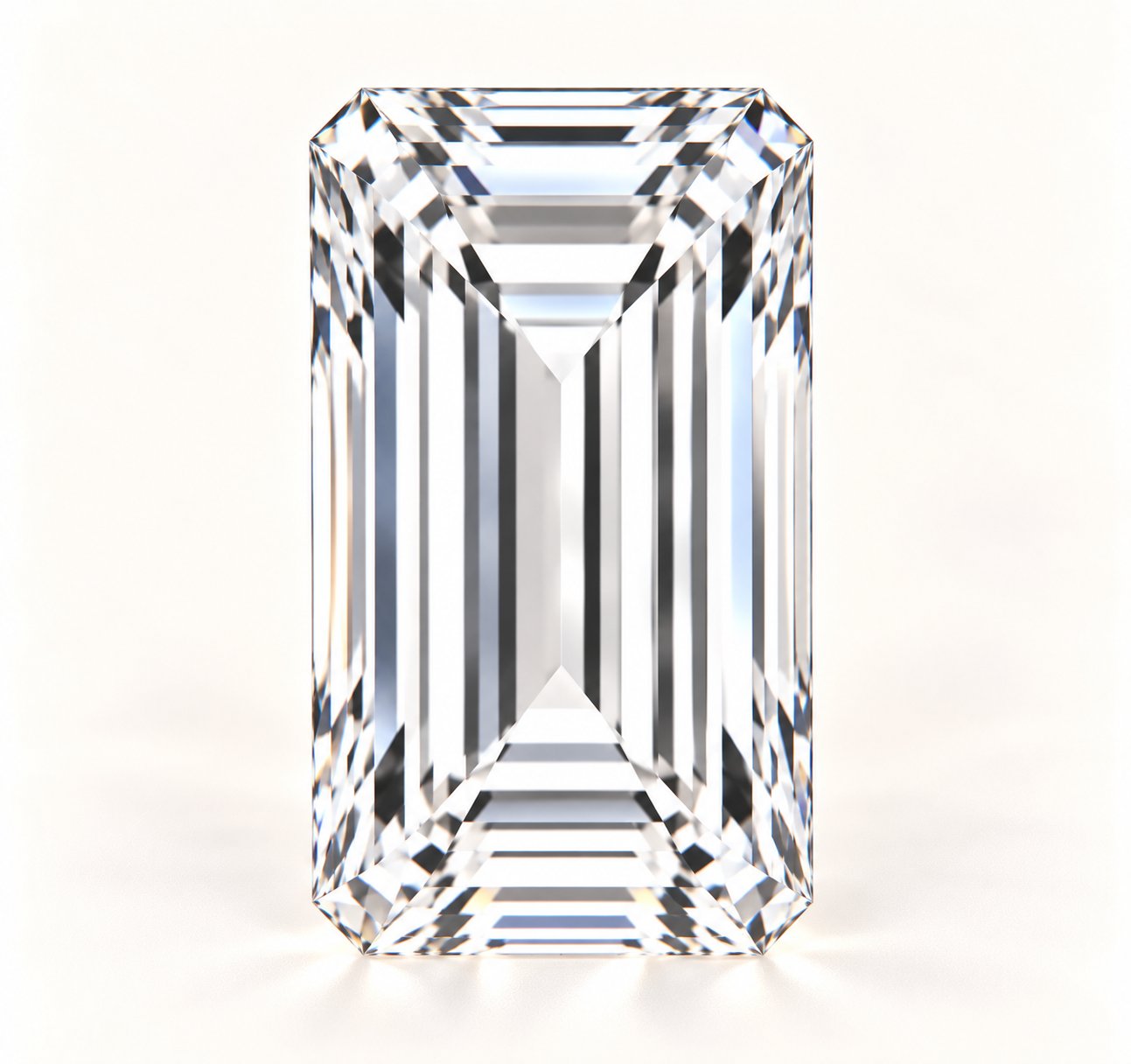 BaguetteOther
06 · Fluorescence
Fluorescence
How a diamond glows under ultraviolet light
About a quarter to a third of diamonds glow, usually blue, under UV light. In daylight it is rarely noticeable, and it is reported from None to Very Strong.
None to Faint
No effect in daylight. The safest choice for the whitest grades (D–G), where strong blue can occasionally look hazy.
Medium to Strong
Can make H–J stones look whiter in sunlight, often at a lower price. Some buyers love the glow.
07 · Certification
Diamond Certification
Independent laboratories that grade the stone
A grading report is not a valuation. It is an independent laboratory's scientific record of the stone: its 4Cs, measurements, proportions and fluorescence, with a number often laser-inscribed on the girdle.
Gemological Institute of America
Created the 4Cs. The most respected and consistent grading for natural diamonds.
International Gemological Institute
The leading laboratory for lab-grown diamonds, used worldwide.
American Gem Society
Known for scientific light-performance and cut grading.
HRD Antwerp
Belgian laboratory, widely recognised in Europe.
Kalika advice
Every Kalika diamond comes with its grading report. Check that the report number matches the inscription on the stone; we are happy to show you.
08 · Origin
Diamond Types
Natural, lab-grown, CVD and moissanite
Natural
Formed over billions of years deep in the earth under heat and pressure. Every stone is unique.
Rarity, heritage and lasting value
Lab-grown
Grown in a controlled environment by HPHT or CVD. Chemically, physically and optically a real diamond.
Real diamond, typically far more affordable
CVD diamond
A lab-grown method where carbon is deposited layer by layer on a diamond seed plate.
High purity; excellent clarity is common
Moissanite
Silicon carbide, a different gemstone. More fiery than diamond and very hard (9.25 Mohs).
The most affordable diamond alternative
Check yourself
Test Your Knowledge
Five quick questions on what you have read
Which "C" has the greatest impact on a diamond's beauty?
Ready to find your diamond?
Every stone certified, every question answered by our gemmologists.